
Quick Insight
As digital tokens replace physical cash in many youth-centered platforms—games, learning systems, creator tools—budgeting becomes less about counting bills and more about managing digital value flows. Teaching kids how to allocate, save, and plan in tokenized environments builds financial habits that translate directly into future digital economies.
Why This Matters
Young people are already navigating tokenized systems—just without the structure or language of financial literacy.
Many parents still think of “allowance” as a fixed dollar amount handed over weekly. But kids increasingly interact with ecosystems where:
- Value is earned in tokens
- Rewards are dynamic
- Spending happens instantly
- Saving is optional and often overlooked
- Purchases may unlock upgrades rather than physical goods
Without guidance, kids may treat tokens as disposable or renewable, misunderstanding scarcity, trade-offs, and delayed gratification. Token-based environments can support strong budgeting skills—but only if adults help young people translate old financial concepts into digital contexts.
Teaching budgeting in tokenized ecosystems expands financial literacy into the spaces where kids already live and learn.
Here’s How We Think Through This
Grounded steps for helping kids build budgeting and allocation habits in digital-first environments.
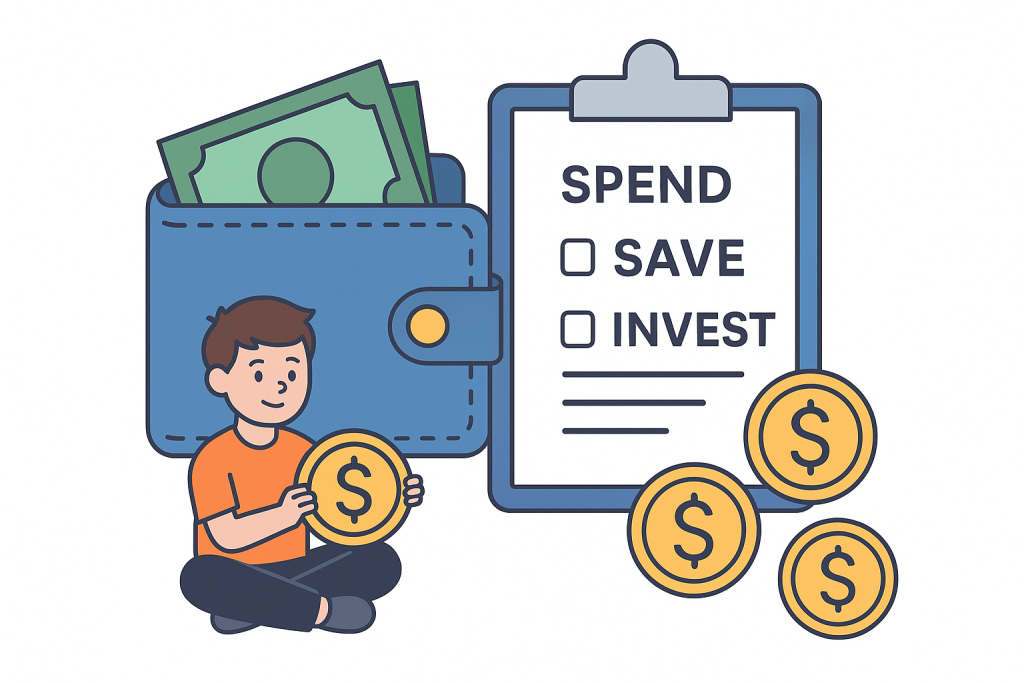
1. Reframe “allowance” as an allocation exercise
Instead of giving a lump sum, help kids break value into categories:
- Spend
- Save
- Invest (in upgrades or longer-term benefits)
- Share or contribute
Tokens provide natural segmentation—most systems already support different buckets or wallets.
2. Teach kids to map token value to real-world equivalents
Kids often overestimate the value of tokens because the numbers feel big.
A simple practice:
- Convert tokens to an approximate real-world unit
- Compare the effort required to earn them
- Discuss opportunity cost (“If you spend this here, what can’t you do later?”)
This anchors digital value to familiar reference points.
3. Use visible dashboards to reinforce budgeting decisions
Many platforms include:
- Token balances
- Earning histories
- Spending categories
- Reward timelines
Show kids how to read these dashboards like mini financial statements.
4. Help them identify impulse mechanics
Tokenized ecosystems are often designed to encourage frequent spending. Teach kids to notice:
- Flash offers
- Limited-time unlocks
- Social pressure through leaderboards
- Upgrades that reset progress
Awareness reduces reaction-driven spending.
5. Introduce goal-based saving
Kids respond well to concrete goals.
Examples:
- Saving tokens for a meaningful upgrade
- Accumulating enough for multiple future uses
- Delaying small purchases for a bigger payoff
Goal-based saving reinforces patience, planning, and thoughtful prioritization.
6. Practice allocation decisions with guided reflection
Ask questions like:
- “What did you gain by spending your tokens this way?”
- “How long did it take to earn what you spent?”
- “Would you make the same choice again?”
Reflection develops long-term financial awareness rather than short-term reward chasing.
7. Encourage experimenting with small, controlled scenarios
Parents and educators can simulate digital ecosystems by:
- Creating classroom or family token systems
- Assigning earning activities
- Allowing kids to “buy” privileges or upgrade options
- Tracking how each child uses and saves their tokens
This low-risk practice builds confidence before kids apply these habits in real digital worlds.
What Is Often Seen as a Future Trend — Real-World Insight
Budgeting in tokenized ecosystems might sound futuristic, but kids already navigate these environments daily. Whether earning game currency, collecting learning tokens, or managing digital points, they’re developing patterns—good or bad—around spending and saving.
The real-world insight is this:
Kids don’t struggle with budgeting because of digital tools; they struggle because digital value feels infinite, frictionless, and emotionally rewarding.
Teaching allocation in tokenized ecosystems helps them:
- Slow down decision-making
- Understand long-term planning
- Recognize scarcity
- Avoid emotional overspending
- See value beyond the moment
These lessons will matter more as digital value becomes increasingly embedded in everyday life. By reframing allowance as allocation, adults can guide kids toward financial habits that will stay relevant no matter how the digital economy evolves.