Quick Insight
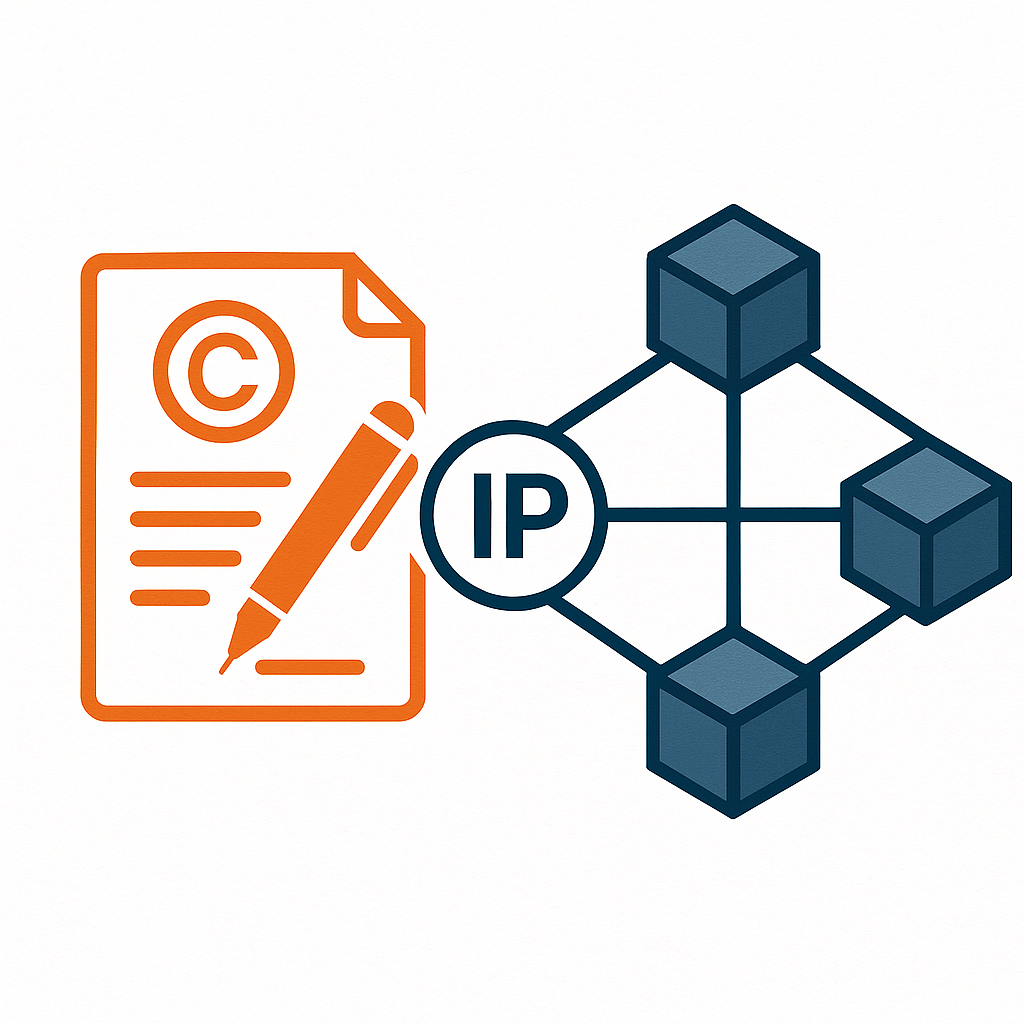
In a world where creative work can be copied, shared, or remixed within seconds, protecting authorship and originality has become increasingly complex. Blockchain technology offers a solution—not as a new copyright law, but as a digital notary system. By timestamping creative works on a decentralized ledger, blockchain verifies who created what and when, providing an immutable record of originality that cannot be erased or altered.
This technology transforms creative protection from a legal afterthought into a built-in feature of the creative process itself.
Why This Matters
Traditional systems for protecting intellectual property rely on registration, contracts, and trust—processes that can be slow, costly, and often inaccessible to emerging creators. Artists and designers have long struggled to prove ownership after their work spreads online. Legal disputes over plagiarism or stolen IP are notoriously hard to resolve, especially across borders.
Blockchain reframes the issue. Each creative act—a composition, illustration, design file, or written work—can be registered on a distributed ledger with a digital signature and timestamp. This record lives independently of governments, institutions, or corporations, providing:
- Proof of authorship: Verifiable evidence that a creator made a work at a specific time.
- Permanent attribution: Even if the work is copied or altered, the original source remains traceable.
- Frictionless global recognition: Ownership validation that transcends regional copyright systems.
In effect, blockchain becomes an incorruptible “memory” for creative works, ensuring that originality is both visible and verifiable in an increasingly digital world.
Here’s How We Think Through This
(A grounded framework for understanding the ledger of creativity)
- Start with intent.
Before registering creative work on the blockchain, clarify the purpose. Is it proof of creation? Tracking usage? Enabling resale or licensing? Each goal aligns with a different blockchain model (public vs. private, NFT-based vs. registry-based). - Choose the right layer.
Not all blockchains are equal. Some prioritize speed and low cost (like Polygon), others focus on permanence and legal-grade verification (like Bitcoin or Ethereum mainnet). Selecting the right infrastructure ensures longevity and credibility. - Integrate with existing workflows.
The future of creative IP protection isn’t a separate step—it’s an embedded process. Imagine design software that automatically timestamps your drafts or music platforms that verify your upload on-chain the moment you hit “publish.” - Educate creators early.
For parents and educators, this isn’t about teaching coding—it’s about teaching digital authorship awareness. When young creators understand that every file has provenance, they learn to create and share responsibly in a transparent ecosystem. - Plan for interoperability and evolution.
The “ledger of creativity” will need to connect across systems—art, music, literature, and even AI-generated content. The value lies not in one blockchain, but in an ecosystem of interoperable records that recognize creativity as a traceable asset.
What Is Often Seen as a “Future Trend” (and the Real-World Insight)
Blockchain-based IP verification is often described as futuristic, yet it’s already in motion. Platforms like Ascribe, Po.et, and Verisart are offering timestamping and provenance services for digital art. Music producers are exploring similar frameworks for stems, lyrics, and compositions. Even academic institutions are experimenting with blockchain verification for research publications.
The real-world insight: Blockchain doesn’t replace copyright law—it reinforces it with mathematical evidence. As creative work increasingly merges with digital systems and AI-generated content, having a permanent, verifiable ledger of originality becomes essential. It’s not about tech adoption—it’s about future-proofing creative trust.