
Quick Insight
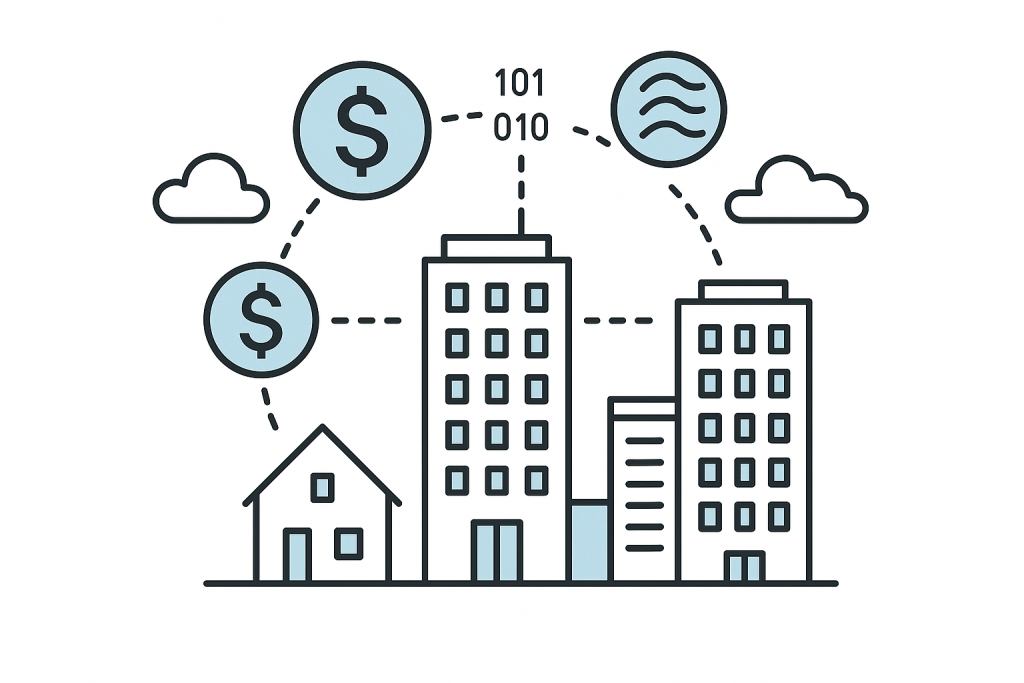
Cities are no longer purely physical landscapes. As blockchain and data infrastructure mature, urban spaces are becoming digitally composable—where ownership, participation, and value exchange extend beyond buildings into networks, utilities, and even civic services. This emerging concept of the tokenized city transforms how we invest in, maintain, and engage with urban systems.
Tokenization enables physical assets—such as apartments, solar grids, or transit systems—to be represented digitally through blockchain-based tokens. These tokens can be traded, shared, or staked, introducing flexibility and transparency to traditionally rigid property and service models.
Why This Matters
For families, educators, and forward-thinking citizens, this shift changes the very idea of community ownership. Instead of centralized municipal management or exclusive investors, tokenized systems can empower participatory economics: where residents hold tokens representing portions of neighborhood infrastructure, green energy output, or even data streams generated by their communities.
From an investment lens, this model turns static urban assets into dynamic, liquid markets. For example, token holders could trade their share of an energy microgrid or receive dividends from smart parking systems. For city planners, this represents an unprecedented opportunity to align economic incentives with sustainable development.
In short, the tokenized city introduces a new urban operating system—one built on shared value, not just shared space.
Here’s How We Think Through This
- Map Physical Assets to Digital Tokens
The foundation lies in identifying what can be tokenized: property units, renewable energy systems, infrastructure bonds, or even usage rights. Each asset is represented as a verified digital token on a blockchain ledger. - Design Participatory Ownership Models
Traditional ownership is binary—you own or you don’t. In a tokenized city, ownership becomes fractional and functional. Citizens, investors, or cooperatives can each hold varying degrees of stake in specific city assets, aligning incentives between public and private sectors. - Integrate Smart Contracts for Operations
Automation is the operational backbone. Smart contracts can manage maintenance payments, distribute dividends, or trigger repairs based on IoT sensor data. This turns infrastructure into self-managing systems, reducing inefficiency and corruption risk. - Evaluate the Policy and Compliance Layer
Governance defines longevity. Tokenized systems must comply with securities law, data privacy frameworks, and urban regulations. Successful implementations often emerge in regulatory sandboxes—controlled environments where technology and policy co-evolve. - Model Value Distribution and Equity
A critical design question is how tokenized ownership impacts social equity. Without intentional design, digital divides can mirror physical ones. The most forward-thinking models ensure that community members—not just global investors—retain meaningful participation in the city’s digital economy.
What Is Often Seen as a Future Trend — Real-World Insight
Though “tokenized cities” may sound speculative, early examples are already underway:
- Dubai is exploring blockchain-based land registries and digital identities as part of its Smart City 2030 vision.
- Singapore has piloted tokenized infrastructure bonds for sustainable transport projects.
- The city of Zug, Switzerland—nicknamed “Crypto Valley”—uses blockchain for tax payments and digital IDs, setting a governance model for digital-physical integration.
Even in smaller ecosystems, we see pieces of this model forming: energy cooperatives tokenizing solar panel output, developers offering fractional ownership in mixed-use buildings, and universities experimenting with blockchain-based campus access and credentials.
The long-term trajectory points toward cities as programmable economies—places where investment, data, and civic participation merge in real time. The tokenized city doesn’t replace bricks and mortar; it builds a digital layer that makes every brick smarter, more connected, and more accessible to those who live within it.