
Quick Insight
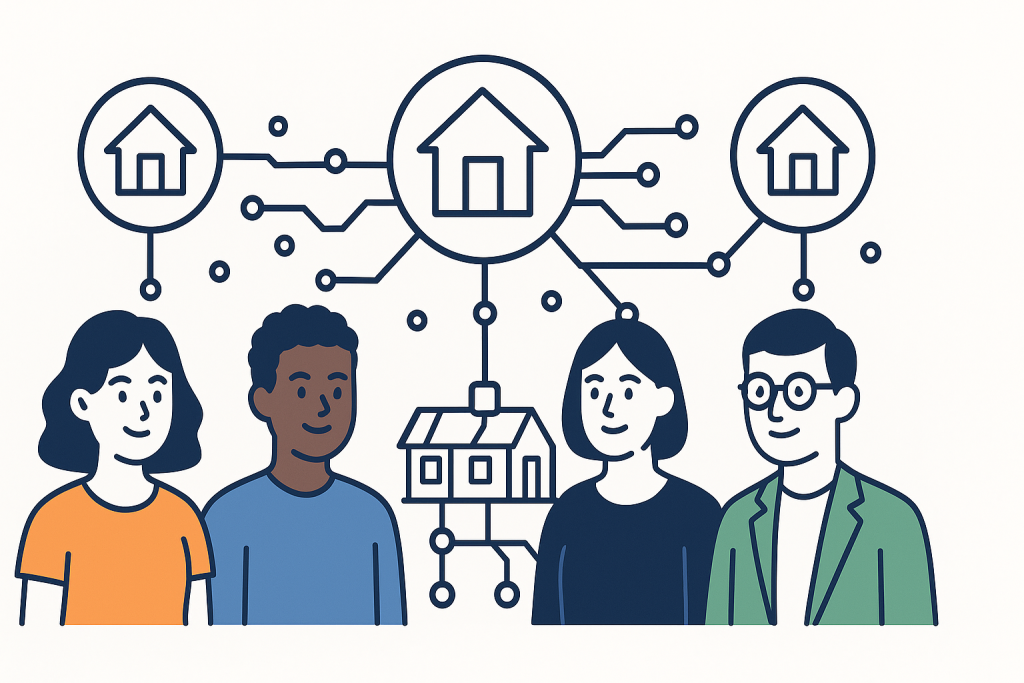
Tokenization is often discussed in terms of technology—blockchain, smart contracts, digital assets—but its most profound effects are human. Turning real estate into digital tokens doesn’t just make markets more efficient; it changes who gets to participate in wealth creation.
As property becomes divisible and tradeable, new opportunities emerge for smaller investors and global participants. But with these opportunities come questions of fairness, accessibility, and accountability. The success of tokenized real estate won’t be defined by the sophistication of its code—it will be defined by how equitably it distributes value.
Why This Matters
Real estate has always been the foundation of economic stability, but also one of the most exclusive asset classes. High costs and complex legal frameworks have historically excluded younger generations and lower-income investors from ownership opportunities. Tokenization aims to fix that—by making it possible to buy a fraction of a property with the same ease as purchasing a share of stock.
However, access alone doesn’t guarantee equity. Without thoughtful design, tokenized systems risk replicating the same wealth disparities found in traditional markets. For educators, parents, and future investors, this raises critical questions:
- Who owns the platforms that manage tokenized assets?
- How do we ensure fair governance, not just fast transactions?
- What digital literacy skills will future citizens need to navigate these markets responsibly?
The ethical layer of tokenization is as important as the technical one—and understanding it early helps us shape a system that truly serves people.
Here’s How We Think Through This
- Start with Inclusion by Design
Tokenized systems must go beyond accessibility to ensure genuine inclusion. That means addressing regulatory literacy, cross-border participation, and the affordability of entry. A $50 property token is more meaningful if users understand the rights and responsibilities it represents. - Consider the Power Structures Behind the Platforms
The decentralization promise of blockchain can easily become centralized again if large institutions dominate token exchanges or custody services. True equity requires open frameworks, transparent governance, and diverse ownership of the infrastructure itself. - Build Ethical Guardrails into Smart Contracts
Smart contracts automate fairness—but only to the extent that humans define it. Ethical tokenization includes safeguards for investor protection, dispute resolution, and privacy. The contract code must serve human values, not just transaction logic. - Plan for Education as Infrastructure
Access without understanding can create new vulnerabilities. Teaching digital property literacy—how tokens work, how value is stored, and how risk is managed—will be a civic priority. Schools and communities that integrate this knowledge will prepare students to participate confidently in tomorrow’s markets. - Balance Innovation with Oversight
Regulators play a critical role in maintaining trust. Well-designed policies can encourage experimentation while protecting consumers from predatory practices. Sandboxes, disclosure standards, and global cooperation will all help build a responsible digital property economy.
What Is Often Seen as a Future Trend — Real-World Insight
The “human layer” of tokenization is already visible in how early adopters are structuring inclusion:
- Lofty AI and RealT platforms emphasize global access to fractional property ownership, but they also reveal the importance of regulation and investor education.
- Dubai and Switzerland have paired blockchain land registries with legal protections for digital asset holders.
- Academic programs in business and urban planning are now introducing courses on digital property ethics, preparing the next generation for a world where ownership is as much digital as physical.
These examples suggest that ethical tokenization is not just a moral priority—it’s a strategic one. Systems that embed fairness will build trust faster and scale wider.
The future of real estate is not just about liquidity or efficiency—it’s about legitimacy. When ownership is transparent, accessible, and grounded in shared human values, tokenization can fulfill its promise as both a financial and social innovation.