Quick Insight
The boundaries between creators and audiences are dissolving. Through blockchain-powered ownership models, fans can now invest directly in the art they love—buying fractional ownership of music, visuals, or digital experiences. This isn’t crowdfunding; it’s a shift from supporting creativity to sharing in its success.
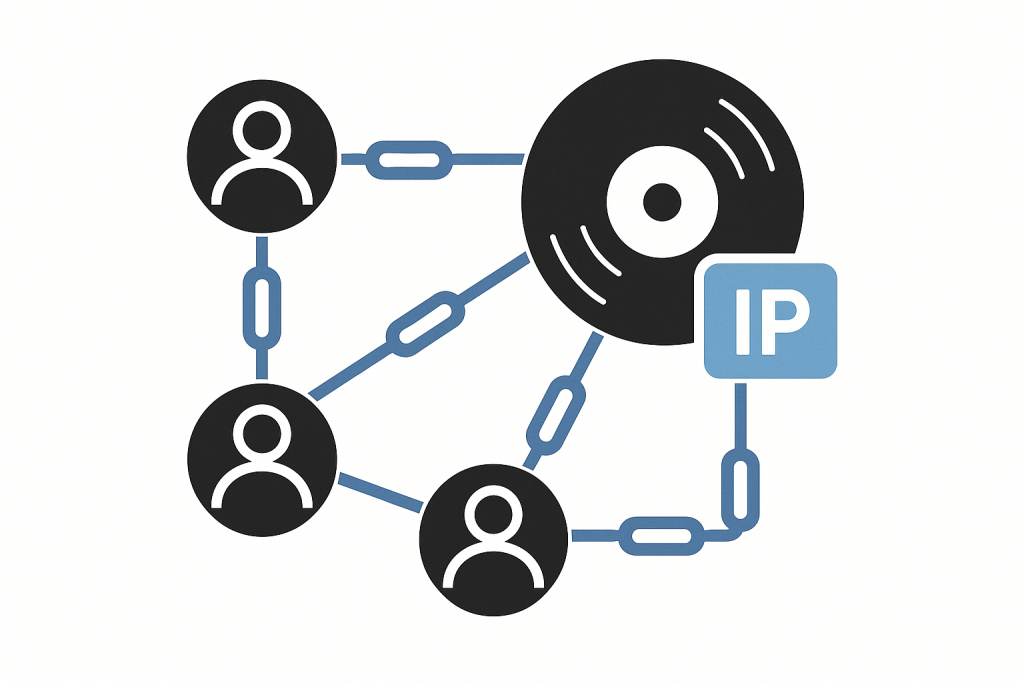
Fan-backed intellectual property (IP) systems—built through music tokens, DAOs (Decentralized Autonomous Organizations), and smart contracts—are redefining how creative value is produced, funded, and distributed. The result is a more participatory creative economy where community and ownership intersect.
Why This Matters
In the traditional entertainment model, creators produce, distributors sell, and fans consume. The flow of value is one-directional—artists rely on platforms and labels for revenue, and audiences have little influence beyond consumption metrics.
Web3 technology and decentralized finance flip this structure:
- Fans become micro-investors in the creative process, owning shares of songs, videos, or franchises.
- Artists gain independence from centralized funding and retain creative control.
- Communities shape creative direction, participating in early releases, licensing decisions, or co-marketing campaigns.
This creates a new type of cultural capital—one where enthusiasm, not just money, fuels the creative economy. Fans don’t just follow an artist; they build with them.
Here’s How We Think Through This
(A grounded framework for understanding fan-stakeholder IP models)
- Start with purpose, not profit.
The strongest communities form around shared meaning, not speculation. Artists and educators should define what collaboration truly means—whether fans are co-owners, advisors, or curators of creative direction. - Tokenize creative assets responsibly.
Tokenization allows creators to divide ownership of their work into digital tokens, each representing a fractional share of royalties or rights. The key is balance—clear terms that protect creative intent while allowing fans to participate sustainably. - Use DAOs for governance, not chaos.
DAOs enable transparent decision-making through smart contracts. However, without structure, they can become noisy or unfocused. Successful creative DAOs operate more like cooperatives—with clear voting frameworks and curated membership criteria. - Align incentives around creativity.
The goal is to create systems where artistic success benefits everyone, not to turn creativity into speculation. Smart contracts can ensure fair royalty splits, reinvestment in new projects, and transparent payment flows. - Teach participation as a form of literacy.
For parents and educators, this is a key takeaway: young fans aren’t just consuming—they’re learning new models of ownership and digital citizenship. Understanding creative economies, governance tokens, and digital contracts will be essential life skills in the next decade.
What Is Often Seen as a “Future Trend” (and the Real-World Insight)
Many view fan-backed IP as a futuristic or experimental concept, but it’s already unfolding. Platforms like Royal, Corite, and Sound.xyz allow fans to buy stakes in songs and earn royalty income. Artist-led DAOs are funding albums, tours, and even film projects through community-driven models.
The real-world insight: The future of creative industries isn’t about artists giving up ownership—it’s about sharing it intentionally. When fans become stakeholders, creative communities evolve from passive audiences into active ecosystems. The next generation of creators will grow up expecting not only to publish their art, but to govern and fund it collaboratively.