
Quick Insight
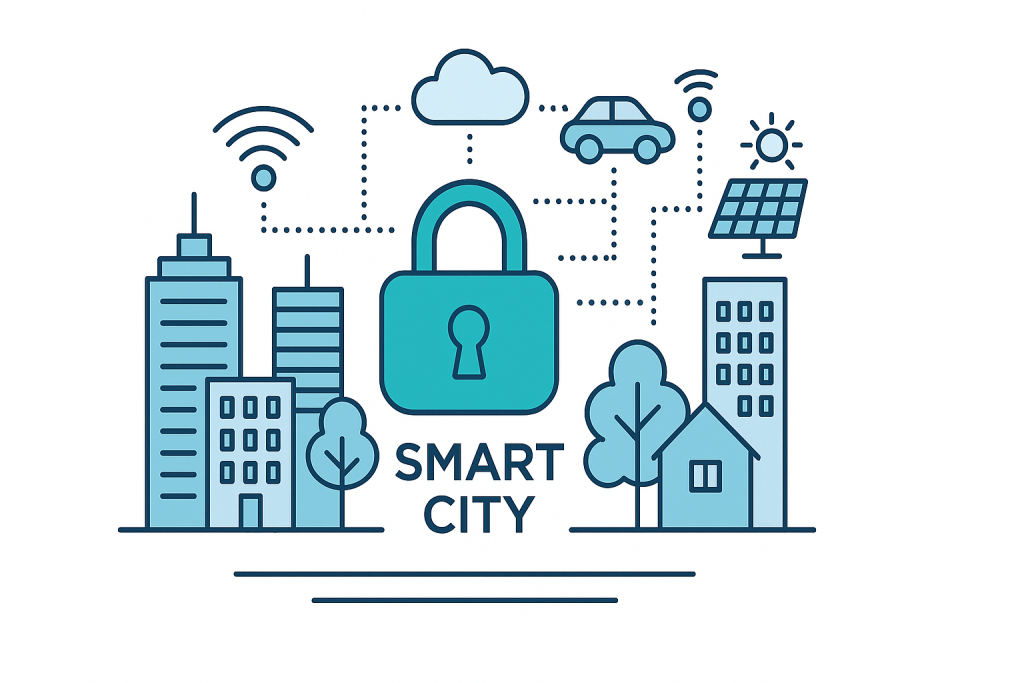
Smart cities have long promised efficiency, connectivity, and sustainability—but most existing models rely on centralized systems managed by large corporations or municipal authorities. Decentralized Physical Infrastructure Networks (DePIN) are changing that paradigm. They offer a way to build and manage urban systems—like Wi-Fi networks, energy grids, and mobility platforms—through community participation and blockchain-based coordination.
In a DePIN-enabled city, infrastructure isn’t just something citizens use—it’s something they own, operate, and benefit from.
Why This Matters
Smart city projects have often struggled with issues of cost, privacy, and inclusivity. Centralized models tend to create data silos, vendor lock-in, and limited transparency about how information is collected or monetized. DePIN networks address these concerns by distributing both infrastructure ownership and governance.
Instead of a top-down rollout of “smart” systems, DePIN enables bottom-up participation. Imagine neighborhoods hosting their own wireless networks, individuals sharing energy from microgrids, or residents contributing sensor data for environmental monitoring—all while being compensated through transparent, token-based incentives.
For educators and parents, this is an essential concept to understand: the cities our children will live in may not just be connected—they’ll be coordinated by their citizens. This shift redefines civic participation, digital literacy, and economic opportunity at the urban scale.
Here’s How We Think Through This
1. Start with Urban Functions That Benefit from Distribution.
Not every system in a city needs decentralization, but some do. DePIN is best suited for functions that thrive on local input—like wireless access, environmental sensing, and micro-mobility. These networks grow stronger as more people contribute nodes or devices.
2. Build Incentive Models Around Real Utility.
Participants who host routers, sensors, or EV charging points can earn tokens or credits tied to actual usage. The economic layer is key—it ensures that contribution is not volunteerism, but compensated work that strengthens community resilience.
3. Design for Data Integrity and Privacy.
Blockchain-backed verification provides a transparent record of contributions without compromising user privacy. Data can be shared across systems without a central authority, allowing for open collaboration without surveillance risk.
4. Integrate with City Governance.
Successful DePIN smart cities will align with local policy, not operate outside it. Cities can partner with decentralized networks to improve coverage, sustainability, and inclusion, while ensuring that standards and protections remain strong.
5. Measure Value Beyond Profit.
In decentralized infrastructure, success is measured not only by financial return but by community impact—improved access, lower costs, and greater resilience during disruptions. This broader definition of value mirrors the way modern cities must think about innovation.
What Is Often Seen as a Future Trend
The idea of community-owned smart infrastructure is no longer speculative—it’s emerging in practice. Helium’s citizen-powered wireless network spans thousands of cities globally. WeatherXM uses decentralized sensors to collect hyper-local climate data. Energy Web and similar initiatives are experimenting with decentralized grid coordination for renewable power.
The deeper insight is that DePIN represents a shift in civic architecture—from centralized command systems to participatory, trust-based ecosystems. For future generations, cities won’t just be smart—they’ll be collaborative infrastructures that learn, adapt, and evolve through the collective action of their citizens.
DePIN is not just technology; it’s a new social contract for the digital city.