
Quick Insight
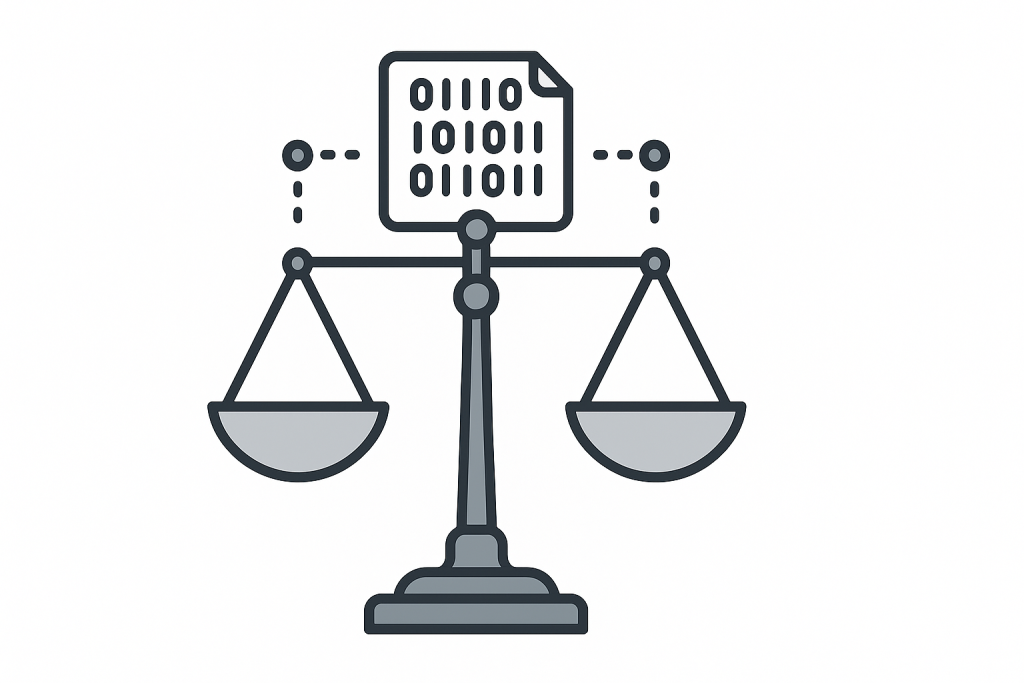
Bias and inconsistency have long shaped financial systems—who gets a loan, how insurance claims are processed, or what access investors have to opportunity. Smart contracts are challenging that legacy by embedding fairness directly into code.
Through transparent, pre-programmed logic, smart contracts execute agreements automatically based on verifiable data, not personal judgment. This automation redefines what it means to be “fair” in finance: outcomes become predictable, traceable, and free from hidden discretion.
Why This Matters
Traditional finance depends heavily on human evaluation—credit officers, underwriters, brokers—each bringing individual or institutional bias into decisions. Studies consistently show disparities in lending, insurance rates, and investment access tied to factors like geography, gender, and background.
Smart contracts offer a powerful correction. They execute predefined rules without prejudice, ensuring all participants are treated according to transparent criteria. For example, instead of a loan officer deciding eligibility, a contract could automatically approve credit based on verified repayment history across a public ledger.
For parents, educators, and future citizens, this shift highlights a new civic skill: understanding algorithmic fairness. As financial systems move from people-driven to code-driven, literacy in how rules are programmed—and how data defines access—will become essential.
Here’s How We Think Through This
- Start with the Core Mechanism: Rules Without Room for Bias
Smart contracts operate on “if-then” logic—if certain conditions are met, the contract executes. Unlike humans, they don’t adjust outcomes based on relationships or perceptions. This enforces objectivity where traditional systems might rely on interpretation. - Define What Transparency Really Means
Every transaction and condition encoded in a smart contract is visible and auditable on the blockchain. This openness allows participants and regulators to inspect the logic of financial systems—reducing hidden fees, favoritism, or unequal terms. - Recognize the Data Challenge
Fairness in automation depends on fairness in data. If biased or incomplete datasets feed into smart contracts, they can replicate systemic inequities. Designing equitable financial code requires aligning ethical oversight with technological precision. - Consider Real-World Application: From Loans to Insurance
- Loans: Automated approvals based on blockchain credit profiles can increase access for small borrowers without institutional backing.
- Insurance: Payouts can be triggered automatically when verifiable data (like flight delays or weather events) confirms eligibility.
- Investments: Tokenized assets allow broader participation in markets once reserved for accredited investors.
- Plan for Accountability and Oversight
Automation doesn’t remove responsibility—it redefines it. Regulators and institutions will shift from enforcing fairness after the fact to ensuring fairness is coded in from the start. This creates new roles for ethical auditors, data verifiers, and algorithmic regulators.
What Is Often Seen as a Future Trend — Real-World Insight
We’re already seeing fairness by design emerge across financial ecosystems:
- Aave and Compound, decentralized lending platforms, use open smart contracts to determine loan terms and interest rates transparently—no negotiation, no favoritism.
- Etherisc, a decentralized insurance platform, issues flight-delay coverage where payouts trigger automatically, removing subjective claim assessments.
- Worldcoin and similar identity-driven projects are experimenting with verification models that ensure equitable access to digital financial tools while protecting privacy.
The trend is clear: fairness is becoming programmable. Financial systems of the future won’t rely solely on trust in institutions but on verifiable, auditable systems where accountability is embedded in design.
For educators and parents, this evolution underscores a new kind of ethics—where fairness is engineered, not promised. Understanding how these systems work will be central to preparing future generations to participate in and shape equitable digital economies.