
Quick Insight
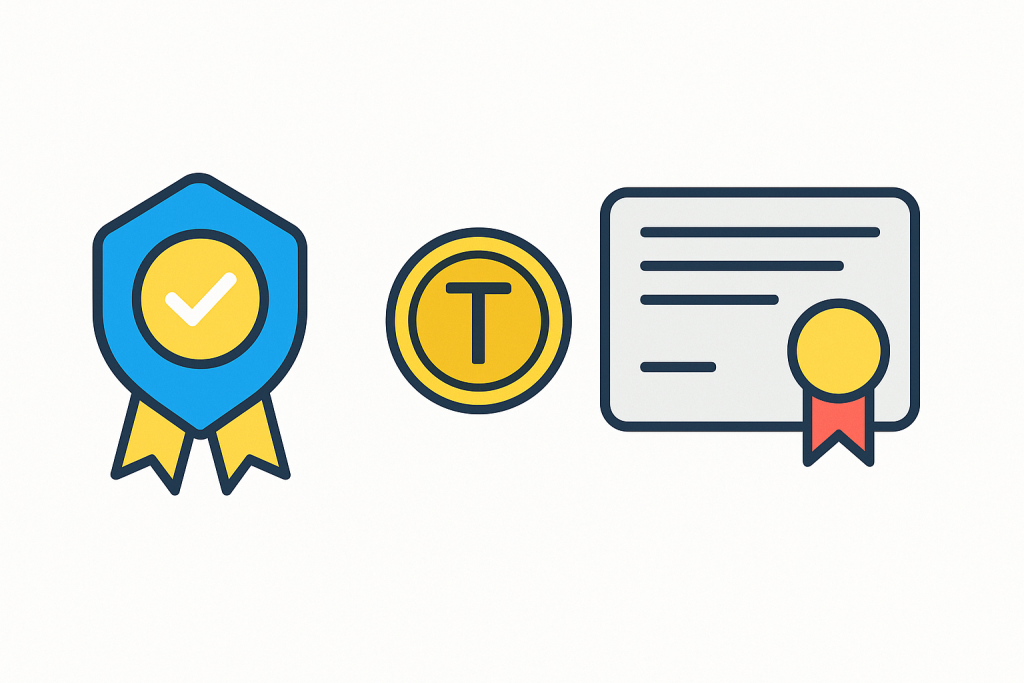
In a world where digital credentials are becoming as important as diplomas, educational tokens represent a major step toward learner ownership. Instead of relying on centralized institutions to store or verify achievements, students can now own and share their verified learning records through blockchain-based tokens.
These tokens can represent a completed project, a micro-credential, or a set of skills—and they can be securely stored, transferred, and verified anywhere. It’s a model that redefines not just what learners achieve, but who controls the proof of it.
Why This Matters
Today’s learners build knowledge across many platforms—online courses, hybrid classrooms, creative projects, and real-world experiences. Yet, most of that progress remains invisible outside a single institution’s walls.
Tokenized credentials solve this problem by making skills and achievements portable, permanent, and verifiable.
For parents and educators, this shift matters because it:
- Empowers learners to take ownership of their growth.
- Reduces credential fraud through blockchain-based verification.
- Encourages lifelong learning, as tokens can represent achievements earned anytime, anywhere.
- Bridges education and employability, translating learning milestones into credentials recognized by schools, employers, and communities alike.
Instead of being stored in a closed database, learning records become living assets that students manage across their academic and professional journeys.
Here’s How We Think Through This
Step 1: Define What’s Being Credentialed
Tokens shouldn’t replace traditional grades—they should complement them by representing what grades often miss: skills like creativity, collaboration, problem-solving, or real-world application.
Step 2: Design for Verification, Not Decoration
Each token must hold real value by linking to verifiable learning evidence—such as a digital portfolio, project file, or assessment rubric. This is where blockchain provides trust and transparency.
Step 3: Build for Portability
The true power of educational tokens lies in mobility. They should be usable across platforms and recognized beyond the issuing school—allowing learners to assemble a verifiable, multi-platform learning identity.
Step 4: Ensure Equity and Accessibility
Digital credentialing must not deepen divides. Token systems should be free or low-cost to access, inclusive for all learners, and designed with privacy protections built in.
Step 5: Focus on Human Value
Technology should serve pedagogy, not the other way around. Token credentials are most effective when they align with authentic learning goals and help students reflect on their growth over time.
What Is Often Seen as a “Future Trend” — Real-World Insight
While blockchain credentialing is often described as futuristic, it’s already in motion:
- Universities and certification bodies are piloting blockchain-backed diplomas that allow instant verification worldwide.
- Learning platforms and skills academies are issuing tokens that represent micro-credentials—short, focused learning experiences that carry verifiable proof.
- Project-based education programs now use tokens to document contributions and outcomes, creating trust-based digital portfolios.
Over the next decade, expect credentials to become learner-owned digital assets—as transferable and enduring as a portfolio of creative work. The shift isn’t just about technology; it’s about redefining trust and ownership in education.
In the future, learners won’t just earn grades—they’ll own their achievements, securely, permanently, and transparently.