
Quick Insight
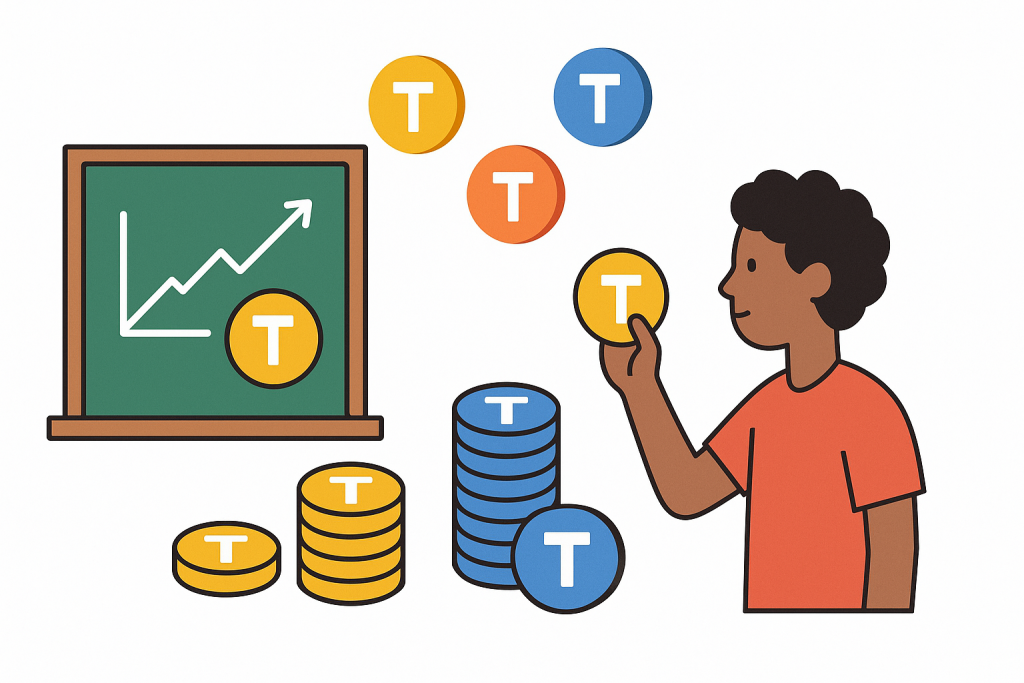
Classrooms are beginning to act less like static environments and more like micro-economies—dynamic ecosystems where participation, contribution, and creativity generate measurable value. Through token-based learning systems, students can now earn classroom tokens for activities such as peer teaching, teamwork, or problem-solving. These tokens can be exchanged for privileges, recognition, or digital assets, transforming the classroom from a passive space into an active, value-based learning economy.
Why This Matters
Traditional education rewards compliance and correct answers; tokenized ecosystems reward collaboration, contribution, and creativity.
In a world where value increasingly flows through decentralized and participatory systems, classrooms that operate like economies prepare learners for this emerging reality.
For parents and educators, token systems can:
- Increase engagement: Students see immediate feedback for effort and cooperation, not just grades.
- Encourage equity: Multiple paths to “earning” allow diverse strengths to be recognized—leadership, empathy, technical skill, or persistence.
- Foster agency: Students learn to make choices about how they earn, trade, or spend tokens—developing early economic literacy.
Yet, this also demands clear ethical and developmental boundaries. The goal isn’t to simulate capitalism in miniature—it’s to cultivate a sense of value creation, shared contribution, and community accountability.
Here’s How We Think Through This
Step 1: Define the Core Behaviors You Want to Reward
Begin with learning goals, not the mechanics. Reward actions that align with collaboration, creativity, and problem-solving—things that build classroom culture and skill depth, not just speed or task completion.
Step 2: Choose Meaningful Tokens
Tokens should represent value that students understand and care about—extra project time, presentation opportunities, or digital collectibles tied to learning milestones. Keep rewards symbolic yet motivating.
Step 3: Build a Clear Exchange System
Transparency matters. Whether analog or digital, ensure everyone knows how tokens are earned, saved, and used. The “class economy” becomes a living system of fairness and feedback.
Step 4: Integrate Reflection and Ethics
Use moments of exchange as lessons in economics, ethics, and empathy. When students trade or redeem tokens, discuss fairness, contribution, and collective good.
Step 5: Pilot and Adjust
Start small—one subject, one unit, or one skill area. Gather feedback, observe how students interact with value systems, and adapt the token rules for balance and inclusivity.
What Is Often Seen as a “Future Trend” — Real-World Insight
What sounds futuristic is already taking shape:
- Schools experimenting with blockchain-backed classroom tokens are enabling verifiable, portable records of student contributions.
- Collaborative learning platforms like Classcraft and Kojo embed token economies to reinforce teamwork and growth mindset behaviors.
- Project-based programs are piloting reward systems where students “earn” digital credentials for peer mentorship or innovation challenges.
These examples show that classroom economies aren’t about monetizing learning—they’re about making contribution visible. By introducing tokens as instruments of trust, effort, and shared purpose, educators prepare students for the decentralized collaboration that defines the future workforce.
The next evolution of learning economies won’t simply teach students how to earn—it will help them understand how to co-create and circulate value in ways that benefit everyone.