Quick Insight
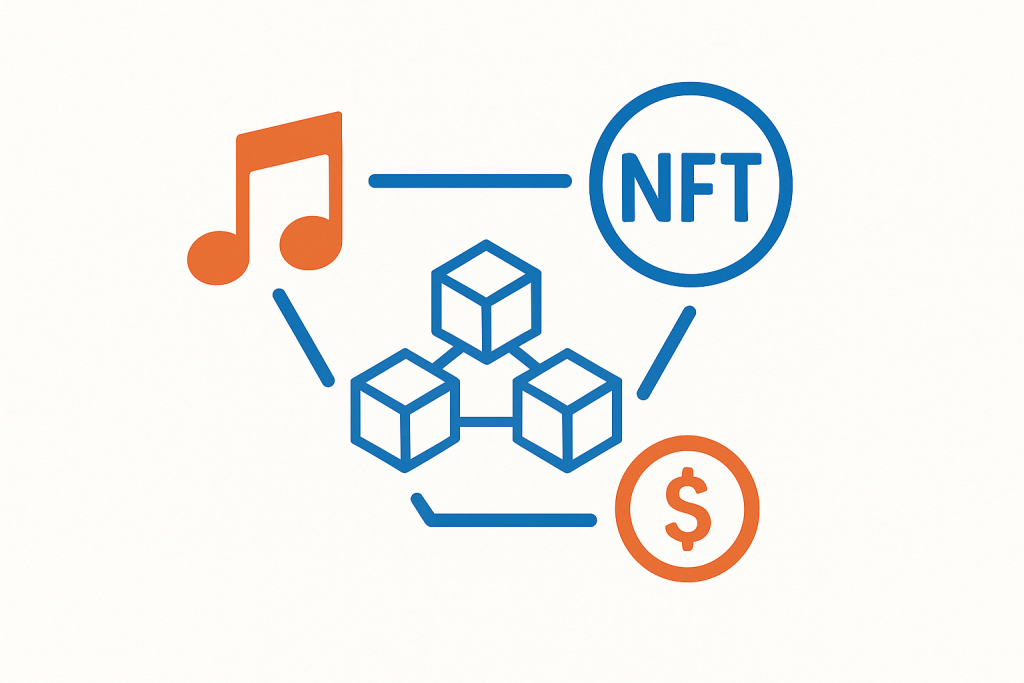
Music creation and monetization are entering a new chapter. Through music NFTs (non-fungible tokens), artists can tokenize their songs, allowing fans and investors to own fractional royalty rights. This means a single track can have hundreds—or thousands—of micro-owners who share in the song’s success as it streams, performs, and earns revenue.
This new model not only changes how music is funded but also reshapes the relationship between artist and audience, turning listeners into true collaborators in the creative economy.
Why This Matters
For decades, music ownership has been structured around major labels, distributors, and streaming platforms. While technology made access easier, it also centralized power and profit. Artists today often receive less than 15% of total revenue from their work.
Music NFTs upend that system by introducing programmable ownership and direct engagement:
- Fans become stakeholders, sharing in royalties or resale value.
- Artists retain control, setting terms and percentages through smart contracts.
- Transparency is built in, with every royalty, resale, and transfer tracked on-chain.
This isn’t just financial innovation—it’s cultural. Fans now have emotional and financial incentives to support the artists they love, and creators gain access to capital without sacrificing creative control.
Here’s How We Think Through This
(A grounded framework for understanding fractional ownership in music)
- Start with the core problem.
Traditional music funding requires intermediaries—labels, publishers, and investors—who exchange capital for long-term rights. Artists lose flexibility and future revenue. Music NFTs solve this by allowing artists to raise capital directly from fans through fractionalized token offerings. - Understand fractionalization.
Fractional NFTs divide a single song or album’s royalty rights into tradable pieces. Each token holder owns a verified share of the work, encoded on a blockchain ledger. Smart contracts distribute royalties automatically, eliminating manual accounting. - Design incentives for all participants.
A well-structured NFT drop doesn’t just raise money—it creates an ecosystem. Early supporters gain both emotional satisfaction and potential profit. Artists gain funding and loyalty. The key is aligning rewards with long-term engagement rather than short-term speculation. - Consider governance and sustainability.
Decentralized ownership works best when rules are clear. Who makes decisions about licensing? Remix permissions? Brand partnerships? Forward-thinking artists are experimenting with community governance models—where token holders vote on key decisions. - Educate for empowerment.
For parents and educators, this trend signals a new kind of financial literacy for young creators: understanding contracts as code, royalties as tokens, and ownership as participation. It’s a blend of creative arts and digital economics—a foundation skill for the next generation of creators.
What Is Often Seen as a “Future Trend” (and the Real-World Insight)
Music NFTs are often dismissed as speculative collectibles—but the underlying shift is already taking shape. Platforms like Royal, Anotherblock, and Sound.xyz have facilitated NFT releases where fans directly fund tracks and receive verified royalty shares. Some artists are already earning more through tokenized ownership than through streaming platforms.
The real-world insight: The future of music isn’t about replacing Spotify—it’s about rebalancing creative economics. Fractionalized ownership gives fans and creators shared stakes in cultural value. As this model matures, expect classrooms, artist incubators, and local communities to teach not just how to make music—but how to own it.