
Quick Insight
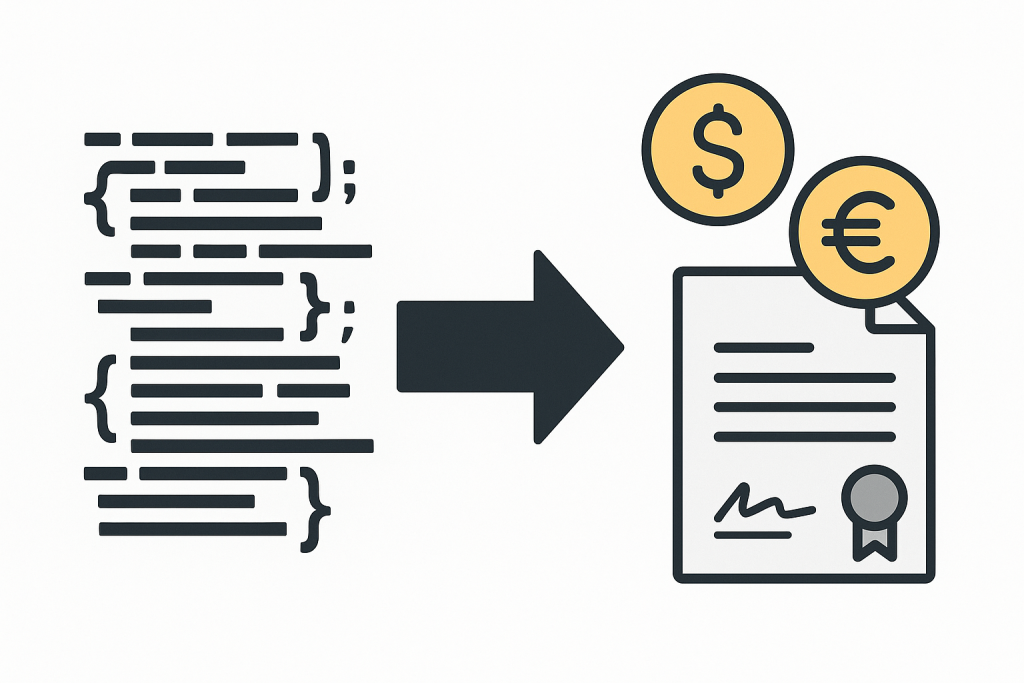
Money has always been a language—one that records trust, value, and exchange. But the syntax is changing. As blockchain, digital currencies, and smart contracts reshape global finance, programming is becoming the new financial literacy.
Where spreadsheets and signatures once governed commerce, code now defines ownership, executes agreements, and moves assets automatically. Understanding this new language of money isn’t about becoming a software engineer—it’s about learning how digital rules, algorithms, and data logic shape financial systems in real time.
Why This Matters
In the 20th century, financial literacy meant knowing how to budget, invest, and interpret interest rates. In the 21st century, it includes understanding how code runs those systems.
From central bank digital currencies (CBDCs) to decentralized finance (DeFi), value is increasingly managed by algorithms that execute without human intervention. Smart contracts decide when payments release, what qualifies as collateral, and how profits distribute—turning financial intent into programmable logic.
For families, educators, and communities, this evolution changes what “being financially prepared” means. It’s no longer enough to know what money does—you must understand how it does it. Teaching young people to think computationally about finance is becoming as essential as teaching them math or economics.
Here’s How We Think Through This
- Understand How Code Defines Value
Blockchain and digital ledgers record ownership in lines of code, not signatures or paper records. When you buy a digital asset or token, you don’t just own an entry in a database—you own a programmable object that can carry rules, restrictions, and benefits defined by its code. - Recognize Smart Contracts as Financial Engines
Smart contracts automate what financial intermediaries once did—verifying transactions, enforcing agreements, and managing settlements. They replace trust in people with trust in logic. For example, a rental payment can automatically transfer when both parties’ digital conditions are met—no third party required. - Connect Code to Economic Behavior
Algorithms now decide how interest rates adjust, how trading bots execute, and how stablecoins maintain value. Economic behavior is increasingly governed by code, meaning regulation, ethics, and fairness must also be written into the logic that drives financial systems. - Teach “Computational Finance” as a Core Skill
Financial literacy for future generations must blend economics with coding. Understanding variables, data inputs, and automated triggers will help people interpret financial systems, not just interact with them. It’s the difference between using money and understanding how money works in a digital economy. - Plan for Ethical and Legal Governance
As finance becomes programmable, governments and regulators are building “RegTech” frameworks to audit algorithms. This ensures code-driven systems follow both legal and moral standards—guarding against bias, fraud, and systemic risk.
What Is Often Seen as a Future Trend — Real-World Insight
This shift is already visible across sectors:
- Central banks are launching digital currencies with programmable features for automated taxation, subsidies, or compliance reporting.
- DeFi platforms like Aave and Uniswap rely entirely on smart contracts to execute global financial activity with no human middlemen.
- Tokenized assets are enabling fractional ownership of property, art, and carbon credits—all defined and transferred through code.
- Educational institutions are beginning to merge economics and computer science, training future professionals in financial programming and blockchain analysis.
The “language of money” is being rewritten—not in balance sheets or legal clauses, but in algorithms. Financial systems will soon run as much on Python, Solidity, and Rust as they do on interest rates and risk models.
For families and educators, this is a call to prepare for the next phase of financial literacy: understanding that the most powerful tool for building wealth in the digital economy isn’t just capital—it’s comprehension of the code that governs it.