
Quick Insight
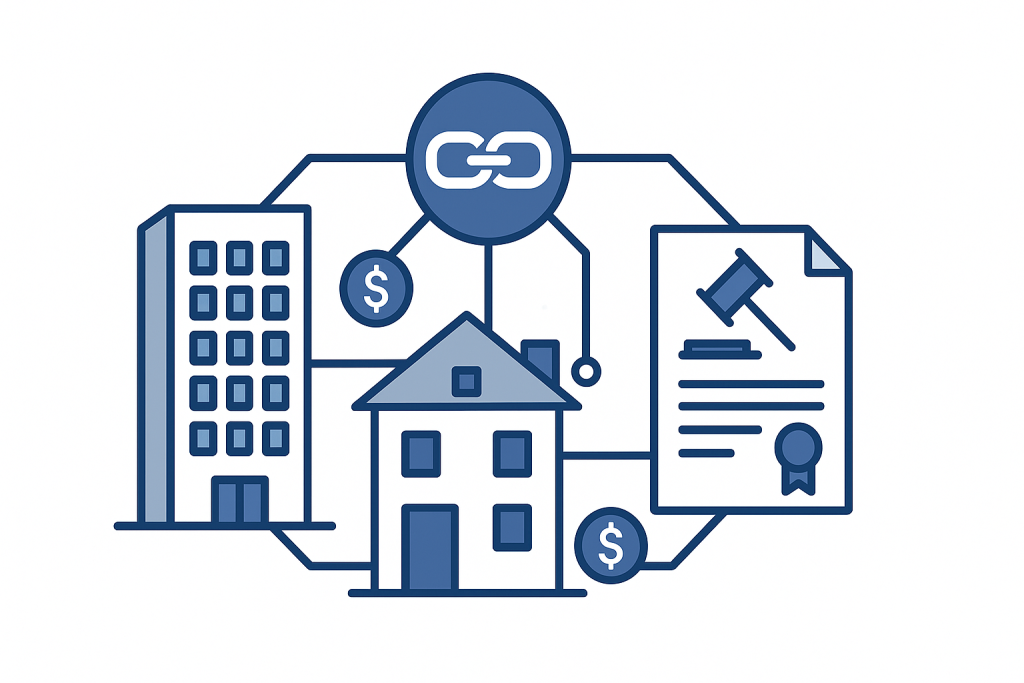
As blockchain transforms real estate ownership, the rules that govern it are playing catch-up. Tokenized property—where ownership stakes are represented as digital tokens—exists at the intersection of finance, real estate, and technology. That makes it one of the most complex regulatory frontiers of our time.
Governments worldwide are now defining how these digital assets fit into legal frameworks covering property rights, taxation, securities, and anti-money laundering (AML) compliance. Understanding this “legal layer” is essential for investors, developers, and educators preparing for a future where property may live as much on the blockchain as it does on the ground.
Why This Matters
Every technological leap in finance has required trust—and trust comes from regulation. Tokenized real estate is no different. For this market to mature, clear policies must define who owns what, how value is transferred, and what rights come with a digital property share.
For families, educators, and future investors, this is an important civic and financial literacy issue. As property ownership becomes digital, understanding legal frameworks becomes just as vital as understanding market trends. Regulations ensure fair access, investor protection, and transparency in systems that could otherwise evolve too quickly for the public to follow.
Without the legal layer, tokenized property remains a promising but fragile experiment. With it, we move closer to a system that combines blockchain’s innovation with the reliability of long-standing property law.
Here’s How We Think Through This
- Start with Ownership Definitions
Property law varies widely across jurisdictions. The key question is whether a digital token represents equity ownership of a physical asset or simply a claim to profits. The distinction determines whether tokenized property is classified as a security (and thus subject to investor protection laws). - Map Out the Compliance Structure
Tokenized assets must meet Know Your Customer (KYC) and Anti-Money Laundering (AML) standards. Regulators require platforms to verify investor identity, source of funds, and transaction transparency—ensuring the digital layer doesn’t obscure accountability. - Understand Taxation and Reporting
Just like traditional property, tokenized assets can generate income and capital gains. The challenge lies in integrating digital ledgers into tax frameworks that were built for paper-based ownership. Governments are now developing guidance on how token trades and rental distributions are to be reported. - Follow the Institutional Models
Financial regulators are testing “sandboxes”—controlled environments where firms can experiment under oversight. Singapore’s Monetary Authority, the UK’s FCA, and the U.S. SEC have each created pathways for tokenized property platforms to operate legally while regulations evolve. - Plan for Cross-Border Complexity
Real estate is inherently local, but tokens are global. This mismatch introduces challenges for international investors. The emerging trend is the creation of hybrid legal instruments—structures that comply with both blockchain standards and local property law to bridge digital and physical jurisdictions.
What Is Often Seen as a Future Trend — Real-World Insight
The legal foundation for tokenized real estate is already being built:
- Switzerland and Liechtenstein have enacted laws recognizing tokenized shares of real assets as legally binding ownership instruments.
- Singapore’s sandbox programs allow tokenized real estate exchanges to operate under regulatory supervision.
- In the U.S., the SEC treats most property tokens as securities, requiring compliance with existing frameworks like Regulation D or A+.
- Dubai’s Real Estate Regulatory Agency is integrating blockchain into title registration, bridging digital ledgers with state-backed ownership systems.
These efforts show a gradual but determined move toward legitimacy. As the rules clarify, tokenized real estate will shift from niche innovation to mainstream financial instrument—one that merges the transparency of technology with the accountability of law.
For parents and educators, the takeaway is this: teaching the next generation about digital property must include more than technology. It’s about understanding how regulation protects trust—and why the future of ownership depends on this balance.